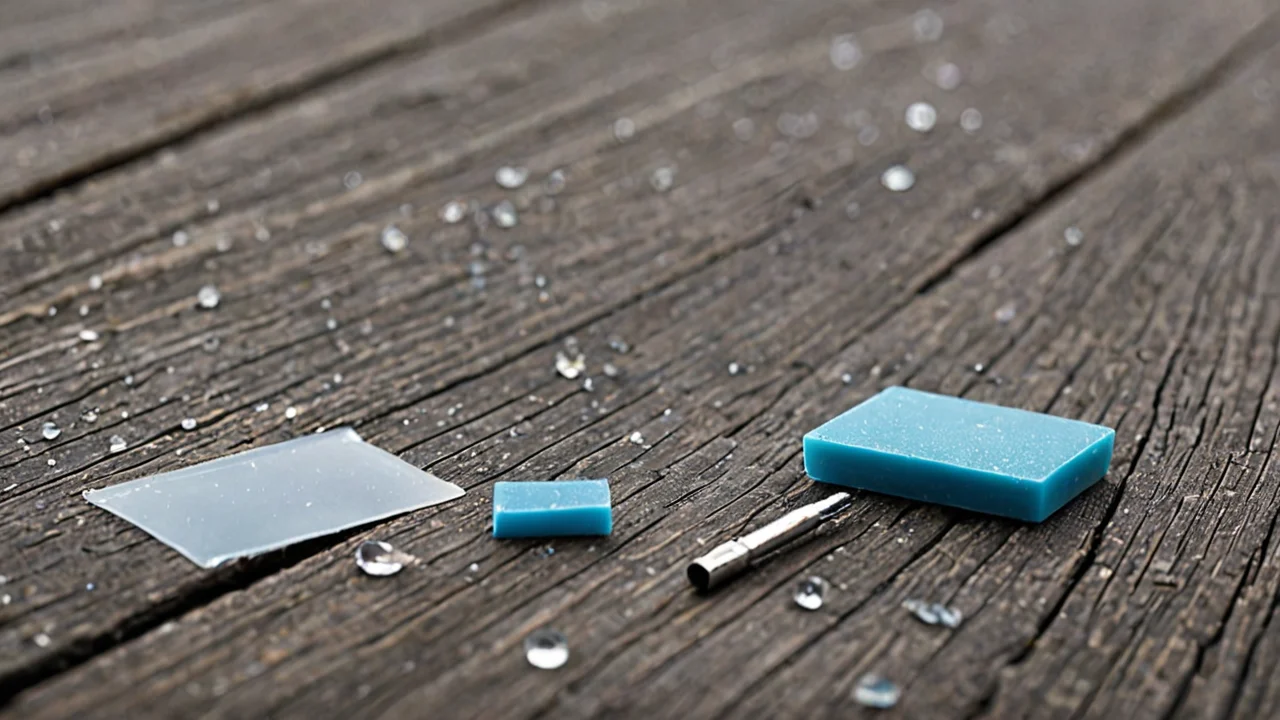
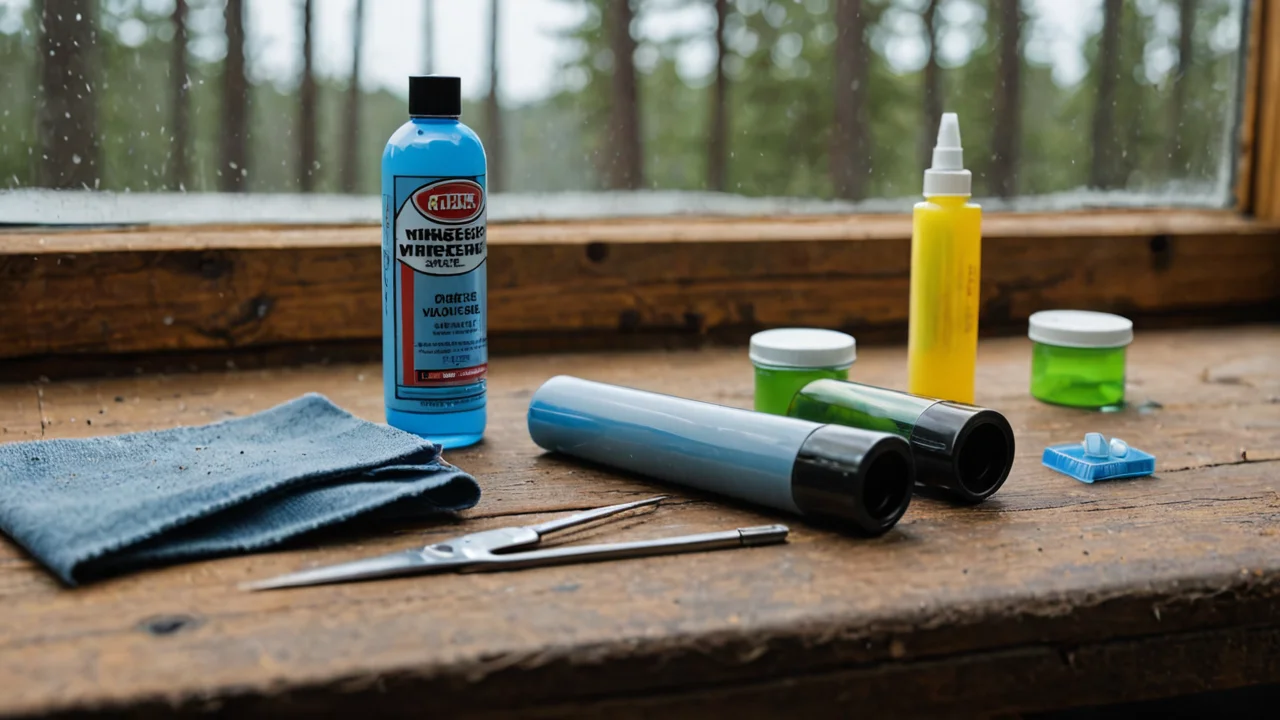
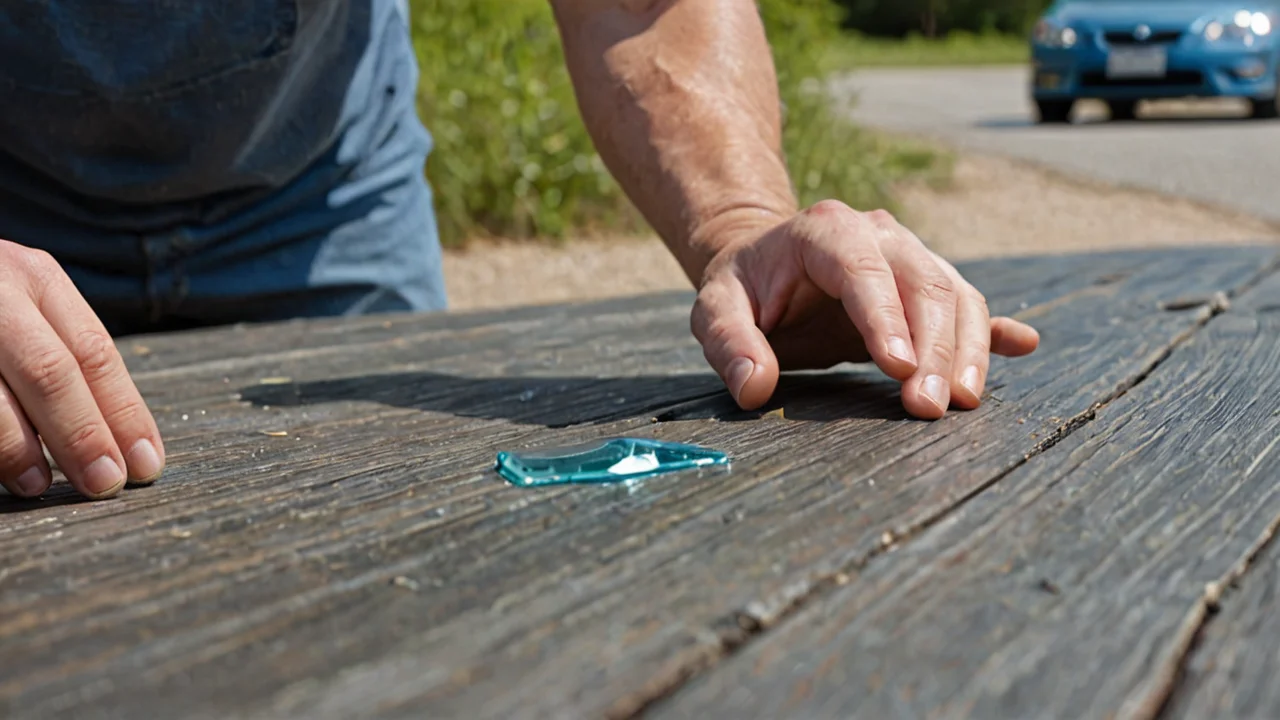
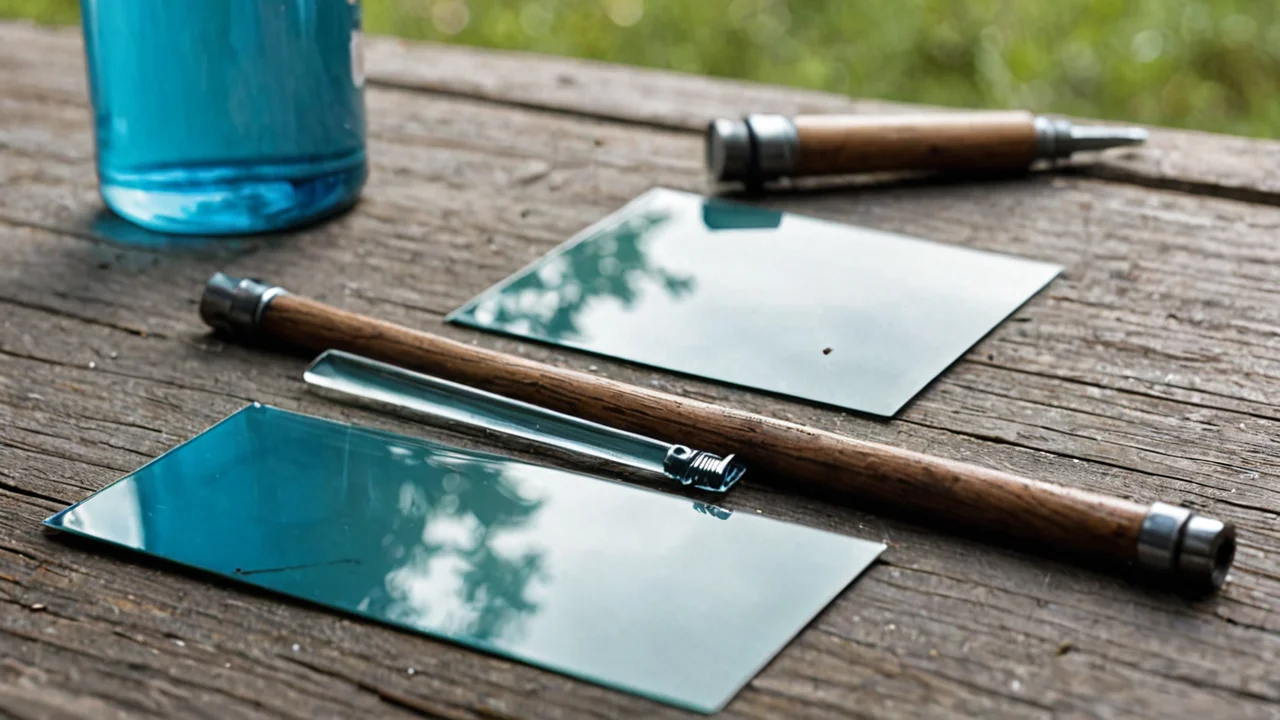
A windshield chip or crack should be repaired when the damage is smaller than a dollar bill, is not in the driver's direct line of sight, and has not penetrated to the inner layer of glass — and it should be replaced when it fails any of those tests. Repair is a resin injection that costs far less than replacement, takes under an hour in most cases, and restores most of the glass's structural strength. Replacement is the right call for anything in the driver's primary viewing area, any crack that has reached the edge of the glass, and any damage where the laminate has separated. Everything below is about telling those two situations apart and understanding what actually happens in each.
What a windshield is actually made of, and why that decides whether you repair or replace
Modern automotive glass is a laminate: two sheets of glass bonded to a plastic interlayer, usually polyvinyl butyral, with the whole sandwich roughly a quarter-inch thick. That construction is why a windshield can crack without shattering into the cabin, and it is also why repair works at all. A chip breaks the outer glass layer and leaves a small void — often a cone-shaped fracture under the surface — but the plastic interlayer behind it usually stays intact. Repair fills that void with a liquid resin that is cured under ultraviolet light, bonding the broken surfaces back together and stopping the crack from propagating.
The interlayer is the dividing line. If the damage has gone through the inner glass layer, or if the plastic itself is torn or contaminated, there is nothing for the resin to bond to and a repair will fail — sometimes immediately, sometimes a season later when thermal cycling opens it back up. You can usually tell by running a fingernail across both faces of the glass. A chip you can feel on the outside but not the inside is a repair candidate. One you can feel on both sides is not.
Replacement means cutting the urethane bead that bonds the glass to the body, setting new glass, and letting the adhesive cure. That cure time matters more than most people expect: the urethane needs to reach full strength before the airbag can rely on the windshield as a backstop in a rollover, and before the glass contributes its designed share of structural rigidity. Shops vary in how they handle that — some use high-strength adhesives with short drive-away times, others ask for the vehicle to sit longer. Ask what adhesive is being used and what the manufacturer's safe drive-away time is for it, and don't let anyone hand-wave it.
The damage types, and which ones a resin repair can actually hold
Bullseye, star break, combination break, and crack are the four categories worth knowing, and they behave differently under repair. A bullseye is a circular impact with a cone fracture beneath it — the most repairable of the lot, because the void is contained and the resin has somewhere to pool. A star break radiates legs outward from the impact point; it repairs well if the legs are short and haven't reached the edge. A combination break has both features and takes more resin and more time, but is still usually a repair. A crack is a line, and lines are where repair gets marginal: a short crack can be stabilized, but a long one, or one that has run to the edge of the glass, compromises the panel and calls for replacement.
Size is the practical filter. Damage that fits under a dollar bill is generally repairable; anything larger, or with multiple chips close together, is a judgment call that leans toward replacement. Position matters just as much. The driver's primary viewing area — the swept zone the wipers clear directly in front of the driver — is held to a stricter standard, because even a well-executed repair leaves a faint optical distortion, and a distortion in the line of sight is a real driving hazard at night or in rain. A chip an inch from the pillar is cosmetic; the same chip dead center in the driver's view is not.
What repair does not do is make the damage invisible. A good repair restores clarity and strength and stops propagation, but you will usually still see a faint mark where the impact was, especially at certain angles in low sun. Anyone promising a chip will vanish is overselling. What you're buying is structural integrity and a stop to the crack, not cosmetics.
What actually happens during a repair, step by step, and how long you're without the car
A resin repair takes well under an hour at the shop, and the vehicle is driveable immediately afterward — there is no cure wait comparable to a replacement. The sequence is consistent across most shops: clean the damage and clear loose glass from the break, mount a bridge or injector over the impact point, pull a vacuum to evacuate air and moisture from the fracture, inject the resin under pressure so it fills the void, cure it with a UV lamp, then scrape the excess flush and polish. The vacuum step is the one that separates a repair that lasts from one that doesn't; trapped moisture in the break will cloud the resin and weaken the bond, which is why a chip that has been sitting through a wet season is a worse candidate than a fresh one.
Temperature affects the work. Resin viscosity changes with temperature, and very cold glass makes the injection slower and less complete; many shops will bring the vehicle inside or warm the glass before starting. Very hot glass speeds cure in ways that are hard to control. This is one reason a mobile repair done in a parking lot in January is a different proposition from the same job in a heated bay, and it's worth asking which you're getting.
Replacement is the longer job: the old glass comes out, the urethane bead is cut and the frame cleaned and primed, new glass is set and the adhesive cures. The car is typically out of service for a matter of hours at minimum, and the safe drive-away window depends on the adhesive. If your vehicle has driver-assist features that use a forward-facing camera mounted behind the glass — lane-keeping, automatic emergency braking, adaptive cruise — the camera has to be recalibrated after replacement, and that adds time and cost. Recalibration is either static, done in a bay with targets, or dynamic, done by driving the car under specific conditions; which one applies depends on the vehicle. Skipping it is not an option on a car that will steer or brake for you.
Cost, insurance, and the decision that actually saves you money
Repair is dramatically cheaper than replacement, and on many comprehensive policies the glass coverage waives the deductible for repair entirely — which means the repair often costs the owner nothing and the insurer prefers it because it's cheaper for them too. That alignment is why so many glass shops will steer you toward repair when the damage qualifies. The trade-off is that a repair is not a permanent fix in the way new glass is: the repaired area is a repaired area, and a second impact in the same spot is more likely to crack than virgin glass would be.
Replacement is the expensive path, and how much of it you pay depends on your deductible and whether you carry separate glass coverage. Two things are worth doing before you authorize anything. First, check whether your policy treats glass repair and glass replacement differently — many do, and the difference can be the entire cost of the repair. Second, get the quote broken down: glass, labor, adhesive, molding or trim clips, and calibration if the car needs it. Calibration is the line item most often left off an initial quote and added later, and on a modern car it can be a meaningful share of the bill.
The honest trade-off: paying out of pocket for a repair on a chip that qualifies is almost always the right call, because it's cheap, fast, and preserves original factory glass — which on many cars is a better fit and seal than aftermarket glass. Paying out of pocket for a replacement you could have claimed is a different calculation, and that's where reading your own policy before you call a shop pays for itself.
How to tell a repair that will hold from one that won't, before and after the job
Before the job, three questions predict the outcome better than anything else: can you feel the damage on the inside of the glass, has the crack reached the edge, and is the damage in the driver's line of sight. A yes to the first or second means replacement. A yes to the third means replacement is the safer call even if the chip is small, because optical distortion in the primary viewing area is a safety issue, not a cosmetic one. A fresh chip — days old, kept dry and clean — repairs better than one that has been through freeze-thaw cycles with road salt in it.
After the job, look at the repair in raking light and at an angle, not straight on. A good repair shows a faint mark and no dark, air-filled pockets; a bad one shows a visible void or a milky haze where moisture was trapped. Run a fingernail across it — it should be essentially flush. Ask what warranty the shop gives on the repair, and get it in writing, because a repair that fails usually fails within the first temperature swing, not months later. If the shop can't tell you what happens if the repair lifts or spreads, that's your answer about how much confidence they have in their own work.
One thing that gets skipped: after a repair, don't wash the car or subject the glass to a pressure washer for a few days, and avoid parking it in direct sun for long stretches immediately after. The resin is cured, but the bond benefits from settling. It costs you nothing to be gentle with it for a short window, and it's cheap insurance on a job you already paid for.
The maintenance habits that prevent most of this, and the ones that don't
Most windshield damage comes from two sources: road debris thrown up by traffic ahead, and thermal shock — a windshield that's been sitting in sun or below freezing, hit with defroster heat or cold water, cracks from a chip that was already there. The prevention that actually works is unglamorous. Increase following distance on gravel and construction routes, especially behind trucks, because the stone that chips your glass is thrown by tires and the further back you are the less energy it carries. Repair chips promptly rather than waiting — a chip is a stable defect until temperature cycling or vibration turns it into a crack, and the difference in cost between repairing a chip and replacing a cracked windshield is large.
What doesn't work: most aftermarket coatings marketed as chip protection. They can make water bead and make bug removal easier, but they don't meaningfully change whether a stone chips the glass. Keeping the windshield clean does help marginally, because grit and film give an impact point something to start from, and clean glass lets you spot a new chip before it spreads. Check the glass whenever you check tire pressure — which, per NHTSA, is measured in pounds per square inch (psi) and listed on the vehicle's tire information placard or in the owner's manual, the same placard required by FMVSS No. 110 that shows recommended inflation pressure and tire size designation. It's a natural habit pairing: you're already walking around the car.
The limits of prevention are real. You cannot avoid every stone, and a chip that arrives on the highway at speed will do what it does regardless of how carefully you drive. What you control is the response time — repairing a fresh chip before it becomes a crack, and knowing in advance whether your policy makes that repair free. That single piece of knowledge, checked before you need it, is worth more than any product on the shelf.